Can Bed Bugs Spread from One Room to Another?
Bed bugs don’t knock before entering. They don’t stay politely in one place either. One day, it’s just your mattress. A week later—it feels like the whole house is under siege.
So, can bed bugs spread from one room to another?
Short answer—yes. Fast, quiet, and often unnoticed.
Let’s break it down.
How Bed Bugs Move Around
Bed bugs aren’t great travelers in the open—but inside a home, they’re surprisingly efficient.
They spread through:
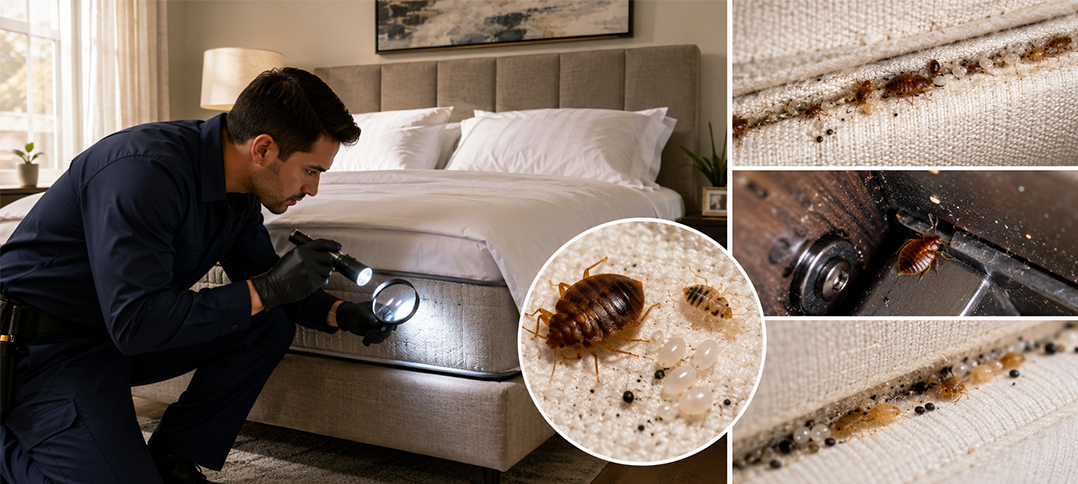
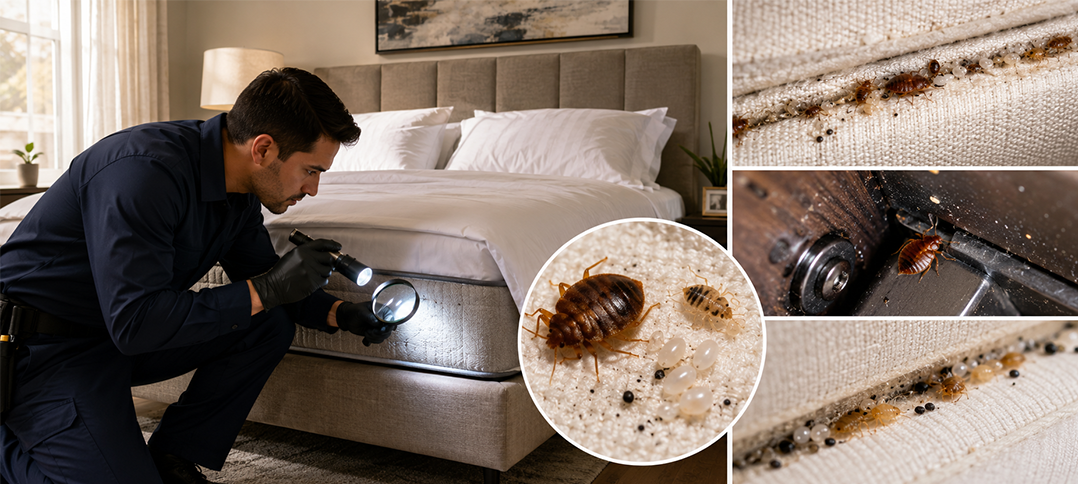
- Cracks and wall voids – Tiny gaps become highways
- Electrical outlets and piping – Hidden pathways between rooms
- Furniture and belongings – The most common culprit
- Clothing and luggage – You carry them without knowing
They don’t fly. They don’t jump.
But they crawl—and they persist.
Once they find a food source (you), they settle. When that source becomes harder to access, they move. Slowly at first. Then everywhere.
The Domino Effect Inside a Home
Imagine this—one room gets infested. You notice bites. You start sleeping in another room.
Seems logical, right?
Not really.
Bed bugs follow carbon dioxide and body heat. You move—they follow. Now two rooms are affected.
Then:
- Laundry spreads them
- Sofas become secondary hubs
- Carpets start harboring them
Before long, the infestation multiplies.
This is why bed bugs Cleveland infestations often escalate quickly when not treated early. Homes aren’t isolated spaces. They’re connected ecosystems.
Signs They’ve Spread
You might think the problem is contained. It rarely is.
Watch for:
- Bite marks appearing in different rooms
- Small blood stains on sheets or upholstery
- Dark fecal spots along baseboards and furniture seams
- A musty, sweet odor in multiple areas
If you’re noticing activity beyond one room—it’s already spreading.
Why DIY Methods Usually Fail
People try everything—sprays, powders, home remedies. Some of it works temporarily.
But here’s the issue:
- Bed bugs hide deep in structures
- Eggs are resistant to many treatments
- Incomplete treatment drives them into new areas
So instead of eliminating them, you scatter them.
That’s when things spiral.
When to Take It Seriously
Immediately. Not later.
Bed bugs reproduce quickly. A single female can lay hundreds of eggs in her lifetime. What starts as a minor issue turns into a full-scale infestation in weeks.
If there’s any doubt—act early.
Especially if you’re seeing cross-room activity. At that point, you’re beyond surface-level fixes.
The Role of Professional Treatment
This is where targeted solutions matter.
A bed bug removal service in Cleveland doesn’t just treat what’s visible—they go deeper:
- Inspecting all affected and adjacent areas
- Using heat or chemical treatments that penetrate hiding spots
- Eliminating eggs, not just live bugs
- Preventing further spread
And when things escalate quickly, you need speed.
That’s where emergency bed bug treatment in Cleveland becomes critical. Same-day or rapid response can stop the infestation before it overtakes the entire home.
Final Thoughts
Bed bugs don’t respect boundaries. One room is never just one room—not for long.
They spread through walls, through habits, through everyday movement. Quietly. Relentlessly.
If you suspect an issue, don’t isolate it—address it. Early action saves time, money, and a lot of stress.
Because once they spread, it’s no longer a small problem.
It’s a house-wide one.