How Cleveland Weather Drives Pest Infestations Year-Round
Anyone who has lived in Cleveland knows the weather does not follow a script. Winters stretch on. Snow piles up overnight. Lake-effect moisture lingers. These conditions shape daily routines and pest behavior across Northeast Ohio, often unnoticed until problems arise.
Pest infestations in Cleveland are rarely accidental. They follow seasonal patterns. They respond to temperature swings, moisture levels, and access to shelter. Once you understand how local weather influences pest behavior, infestation timing becomes predictable. Almost routine.
Winter in Cleveland: When Pests Move Indoors
Cleveland winters are unforgiving. Extended freezing temperatures and heavy snowfall eliminate outdoor food sources, making survival difficult for pests. When the ground freezes and vegetation disappears, pests do not vanish. They adapt.
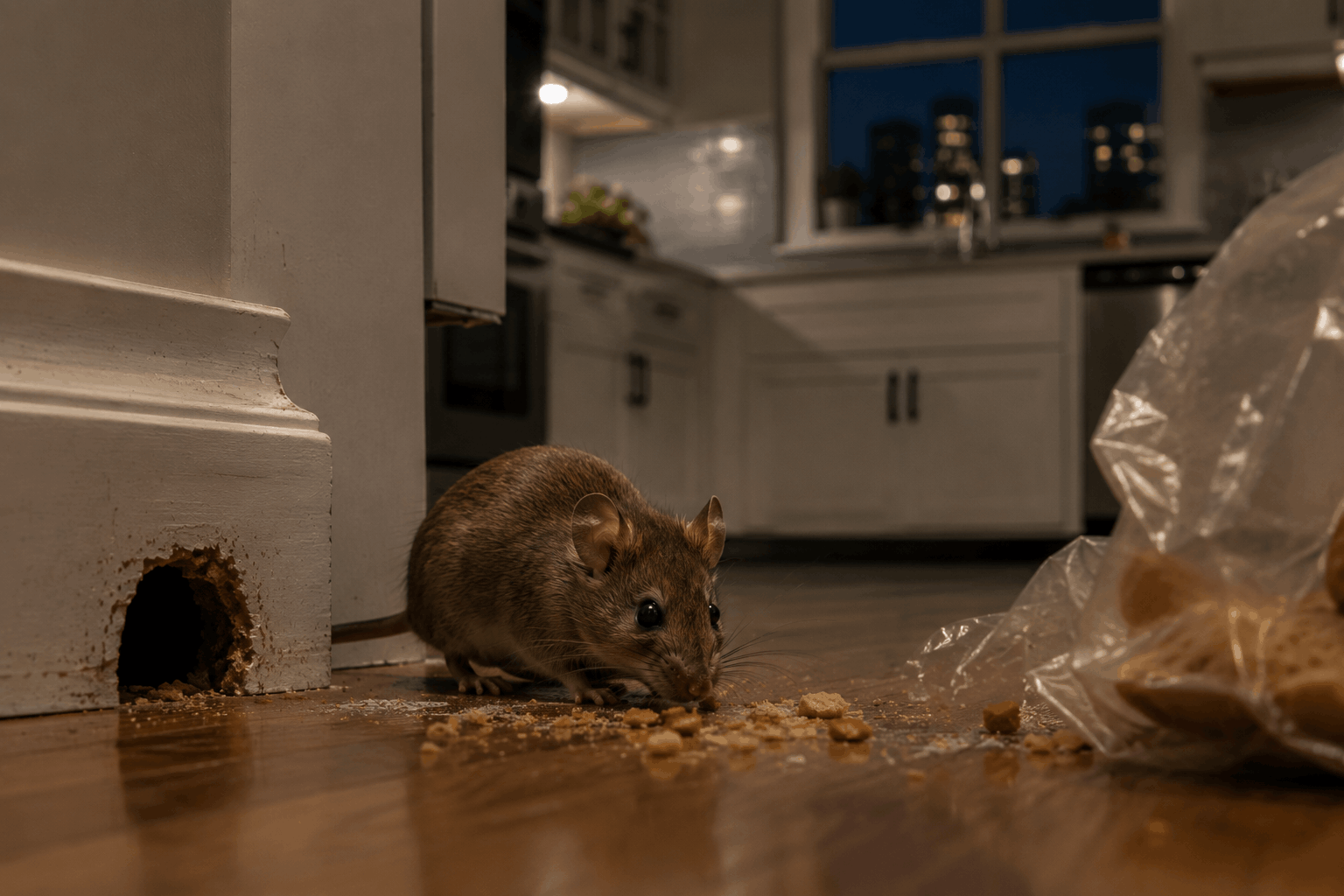
Rodents are the clearest example. Mice and rats remain active year-round, and as soon as temperatures drop, they begin searching for warmth. Homes provide consistent heat, protection, and access to food. Basements, attics, garages, and wall voids become ideal nesting areas once winter sets in.
Snow cover often worsens infestations. Deep snow insulates the ground, allowing rodents to tunnel underneath it and reach foundations unnoticed. Small cracks, utility penetrations, and poorly sealed doors quickly become entry points. This is often when homeowners contact the pest exterminator that Cleveland residents rely on, after signs become impossible to ignore.
Lake-Effect Moisture and Its Role in Pest Activity
Cleveland’s proximity to Lake Erie creates persistent moisture. Lake-effect humidity lingers through fall and early winter, attracting pests.
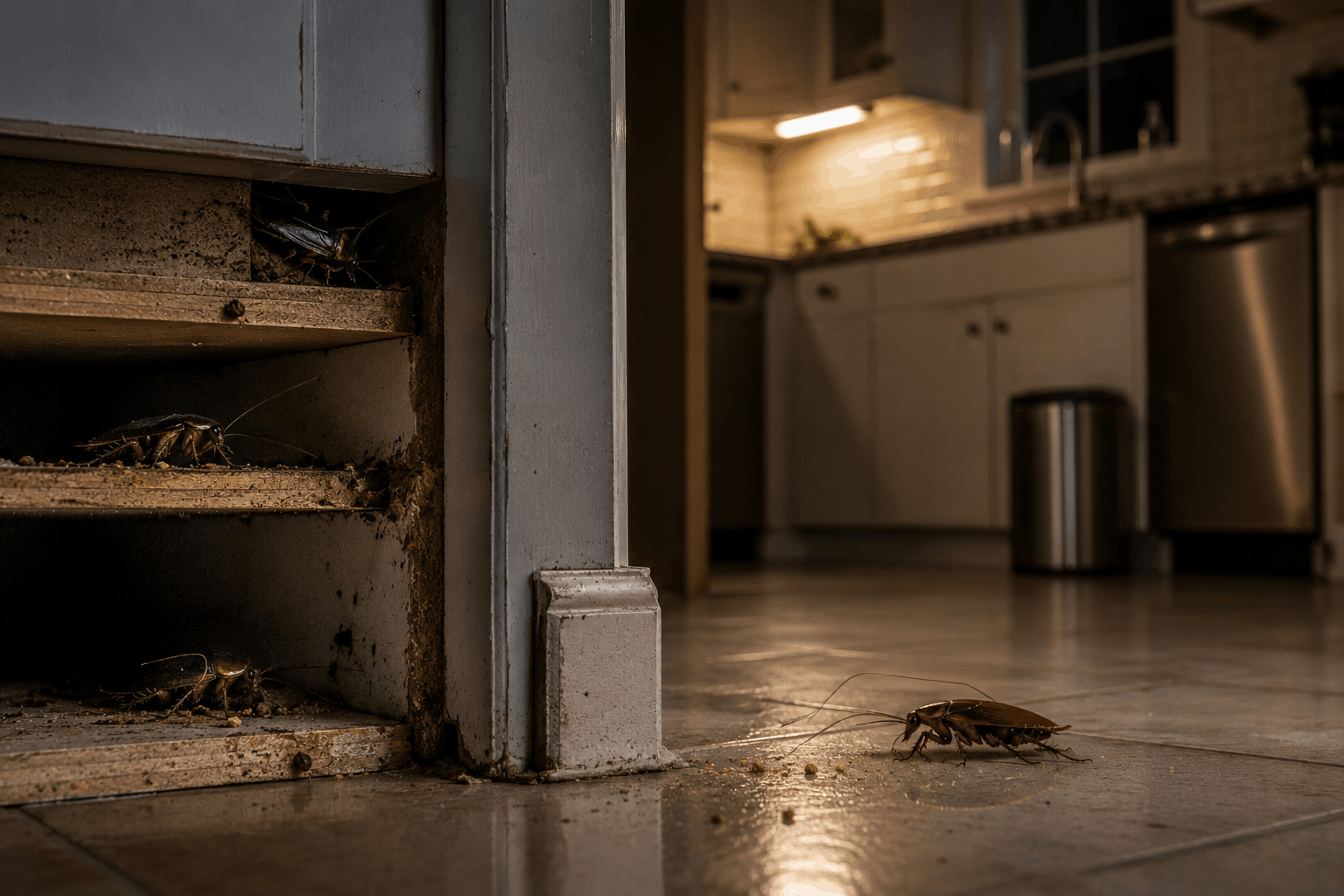
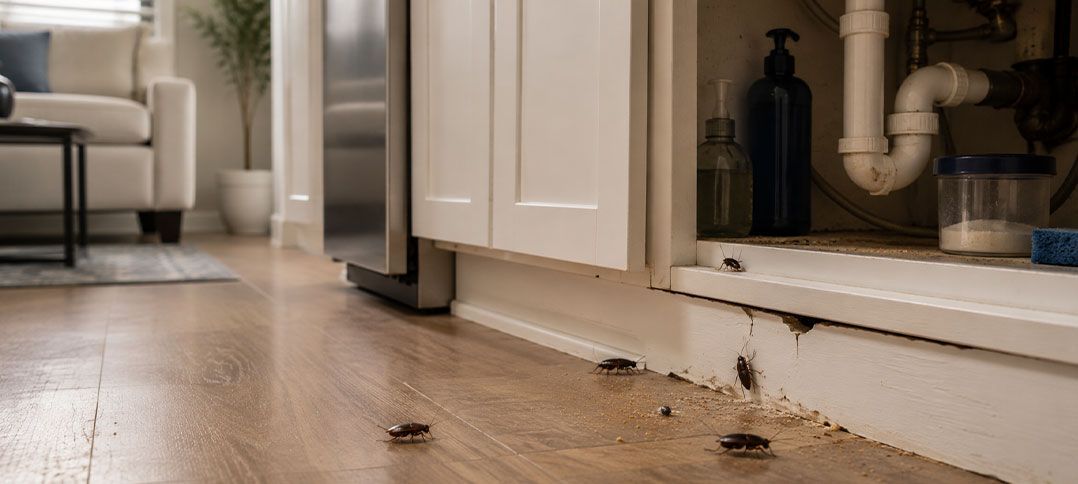
Basements and crawl spaces are particularly vulnerable. Poor ventilation combined with excess humidity creates an ideal environment for insects such as silverfish, centipedes, and cockroaches. These pests prefer moisture, darkness, and minimal disturbance.
Over time, moisture weakens wood and structural materials. This increases the risk of carpenter ant and termite activity. Homes in low-lying areas or near the lake often face greater exposure, and damage typically develops slowly and out of sight.
Spring Thaw: When Pest Activity Accelerates
As winter loosens its grip, pest activity increases rapidly. Snow melts, the ground thaws, and insects emerge. Ant colonies expand, termites begin swarming, and overwintering pests become active again.
Rodents that sheltered indoors during winter do not always leave immediately. Many move between indoor and outdoor areas during spring, spreading contamination throughout the home. What seems minor can escalate quickly if left unaddressed.
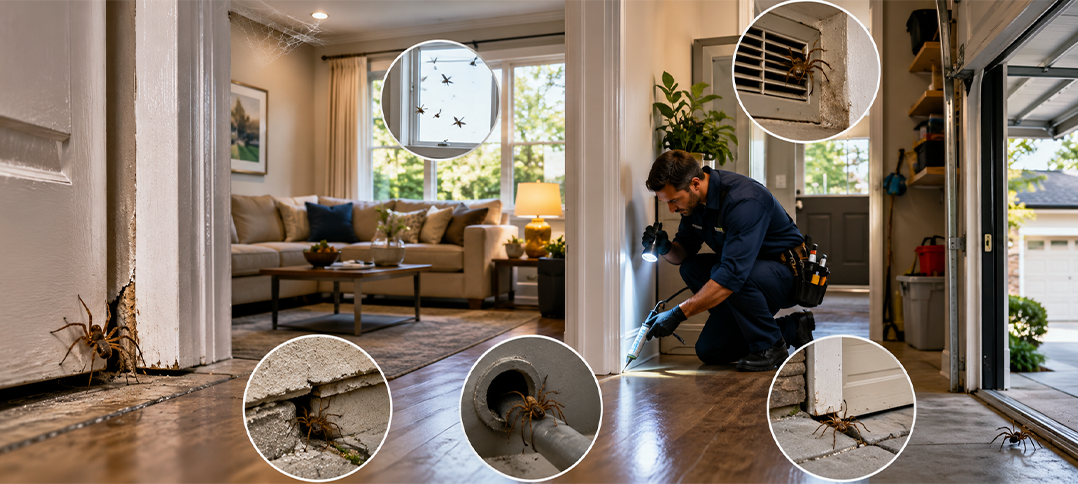
Spring rainfall adds to the issue. Standing water near foundations, clogged gutters, and poor drainage create breeding conditions for mosquitoes. Increased insect populations naturally attract spiders and other predators.
Summer Heat and Humidity: Peak Infestation Season
Summer in Cleveland brings heat and humidity. These conditions accelerate pest reproduction and population growth.
Ants invade kitchens and pantries in search of food and moisture. Cockroaches thrive in humidity. Mosquitoes flourish in yards with standing water. Wasps and yellow jackets grow aggressive as nests enlarge.
Summer infestations are driven by growth rather than shelter. Surface treatments often fail because they do not address nesting areas, moisture sources, or entry points.
Fall: The Most Important Season for Prevention
Fall is often misunderstood. Cooler temperatures give the impression that pest activity is slowing. In reality, pests are preparing for winter.
Rodents begin scouting homes for entry points well before the first freeze. Insects search for protected spaces inside walls, attics, and insulation. Homes that are not sealed or inspected during early fall become prime targets once temperatures drop.
This is when working with an experienced Cleveland exterminator has the greatest impact. Preventive measures taken in the fall often determine whether winter remains pest-free.
Why Pests Consistently Move Indoors During Winter
The motivation is simple: warmth, food, and shelter. Cleveland winters eliminate outdoor survival. Snow buries food, and frozen ground limits burrowing.
Indoor environments offer stability. Once pests establish themselves inside a home, they rarely leave on their own. Left untreated, infestations lead to structural damage, contaminated food storage, damaged insulation, and increased health risks.
Local Pest Control Requires Local Experience
Cleveland’s climate requires a localized approach to pest control. Lake-effect moisture, extended freeze cycles, and sharp seasonal changes demand more than generic solutions.
Effective pest management is proactive. It involves sealing entry points before winter, managing moisture year-round, and addressing vulnerabilities early. The weather sets the conditions. Pests adapt quickly. Homeowners who understand the pattern stay ahead of the problem.