Why Cockroach Infestations Are Common in Multi-Unit Buildings
Cockroach problems do not usually begin with a mess. They start quietly. One unit. One crack. One overlooked leak. In multi-unit buildings, that is usually enough. These structures create the perfect conditions for roaches to survive, multiply, and move freely without being noticed for weeks or even months.
The big problem is not about keeping things clean. It is about how everything's connected. When you live in an apartment, a condo, or a building that has shops and homes, you are sharing a space with others. When one space develops a problem, the rest are already at risk. That is the core challenge property owners and tenants face.
Shared Infrastructure Creates Hidden Pathways
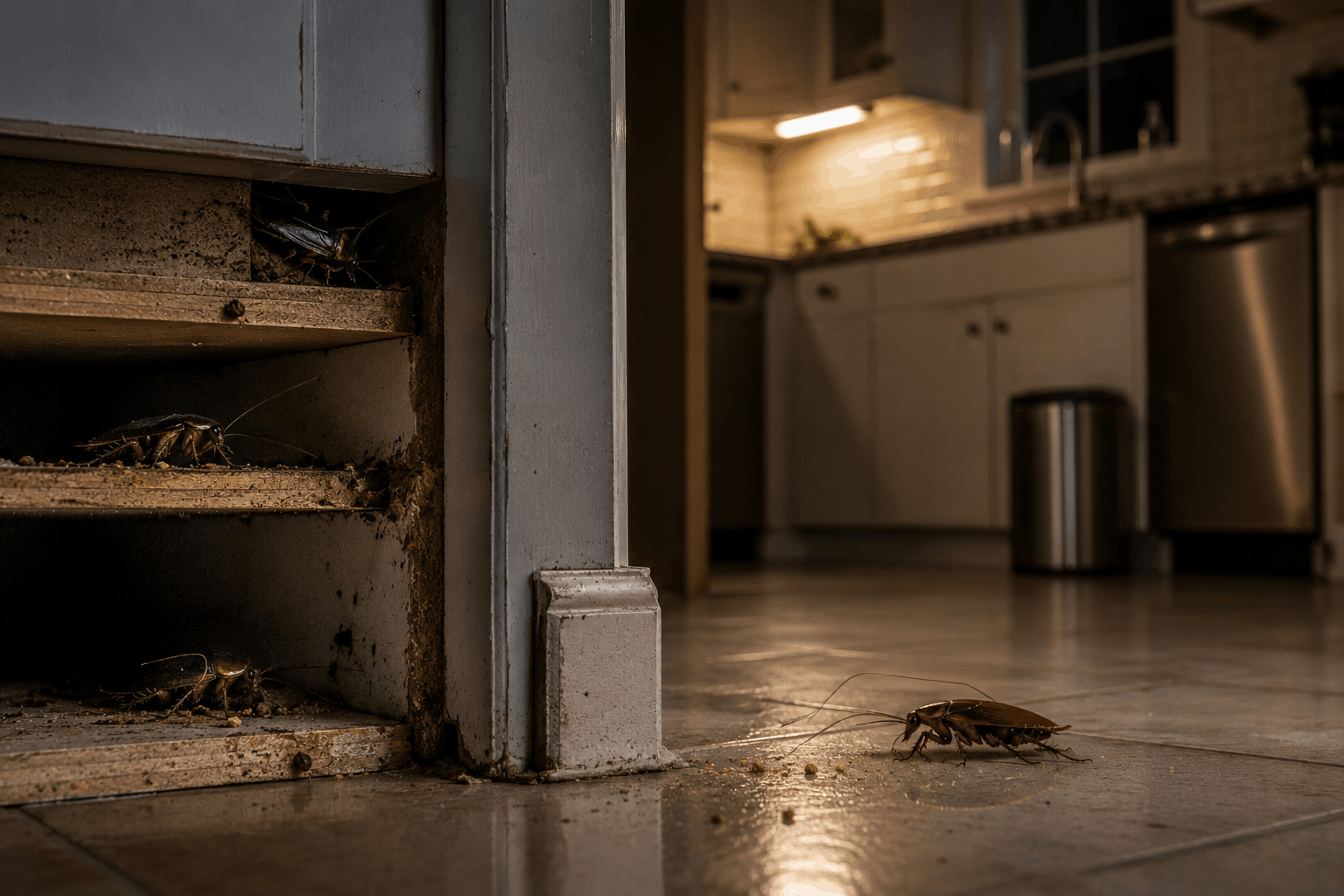
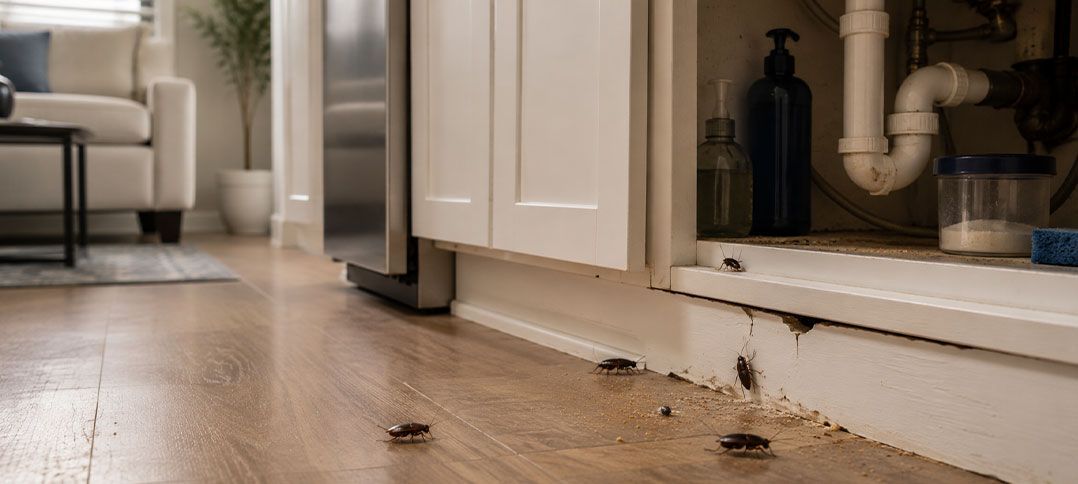
Multi-unit buildings have walls and systems that are shared. These systems include plumbing and electrical lines and ventilation shafts. Cockroaches use these systems to get. They are like highways for cockroaches.
The problem becomes obvious once tenants start reporting sightings in multiple units. At that point, the infestation is already established. Treating one apartment does little because the source may be two floors away.
The solution is coordinated treatment across connected units. A building-wide inspection identifies nesting zones and movement paths. When infestations are treated collectively instead of individually, results last longer.
Food and Moisture Exist Beyond Individual Apartments
When people who rent a place keep their apartments clean, the cockroaches still find what they are looking for in the areas. The rooms where everyone throws away their tras,h the trash cans outside the places where we put our recyclables, the laundry room,s and the closets where the maintenance people keep their stuff. These are all places where cockroaches can easily find food and water. Cockroaches like these places because they can get the things they need to survive.
This creates a situation where roaches nest in one area and feed in another. Eliminating food in a single apartment does not eliminate the infestation.
The solution lies in consistent sanitation standards across all shared spaces. Trash must be sealed, common areas cleaned regularly, and moisture issues addressed immediately. Preventive maintenance reduces the resources roaches depend on.
Inconsistent Living Habits Allow Infestations to Persist
Not all residents follow the same routines. Some maintain spotless kitchens. Others leave food exposed or delay trash removal. Cockroaches exploit these inconsistencies.
They hide in cluttered or undisturbed units and forage in cleaner ones. This pattern allows populations to grow without drawing immediate attention.
Finding the problem early is the key. We should check the place regularly. Make sure the people who live there know what to do. This way we can find out if there is a problem before it gets worse. When everyone in the building knows what is going on they will make sure to do their part. We will not have as many problems, in the long run. Early detection and education are the solution
Older Buildings Have Structural Weak Points
Many multi-unit buildings are older and contain structural vulnerabilities. Cracks in foundations, gaps around pipes, and aging plumbing systems create ideal nesting environments. Leaks provide water. Warm walls provide shelter.
These issues allow cockroaches to survive even during colder months when infestations are expected to slow down.
The solution involves sealing entry points, repairing leaks, and pairing maintenance work with professional roach extermination services. Addressing both structure and infestation prevents reinfestation cycles.
Tenant Turnover Introduces New Infestations
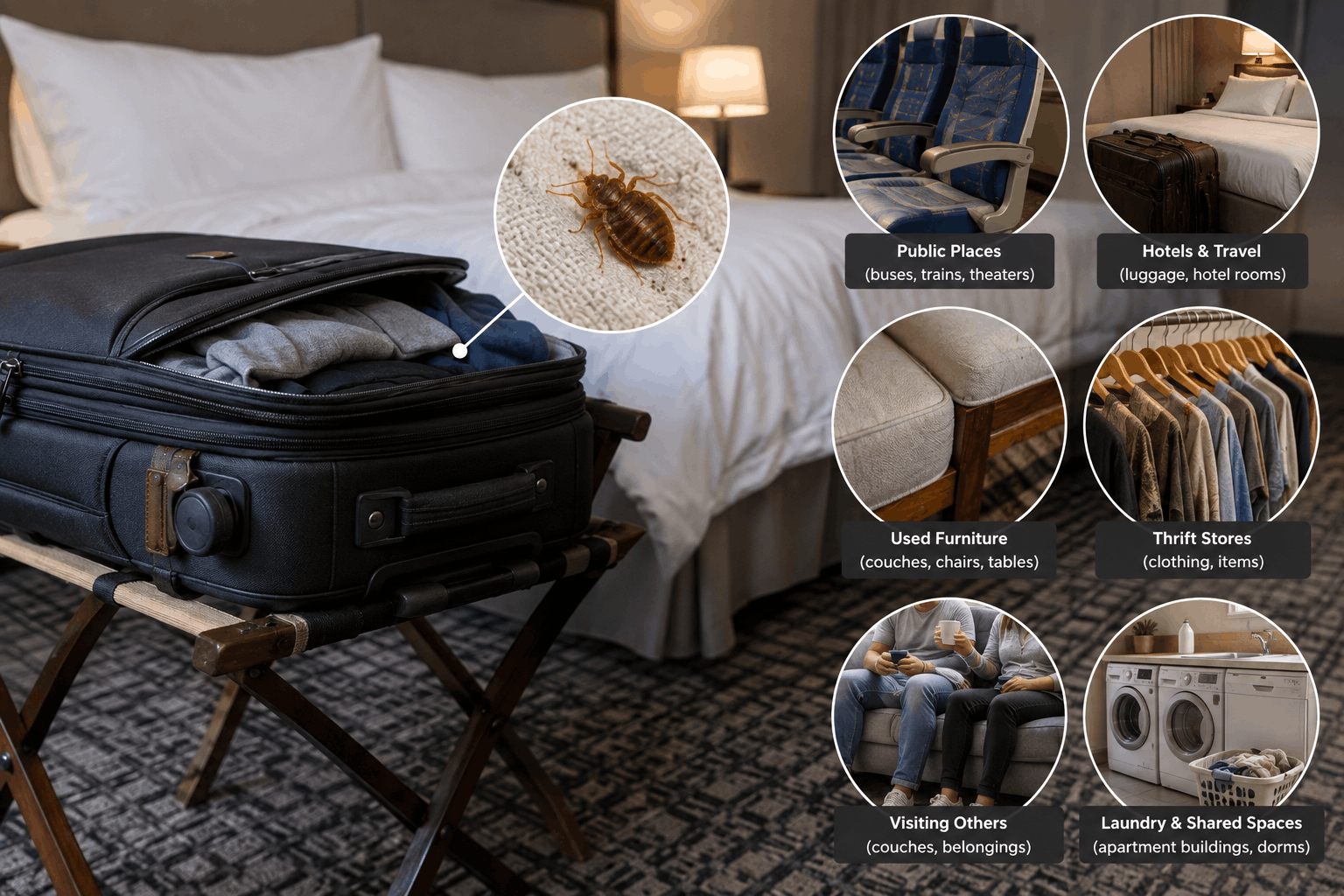
High turnover rates increase the risk of infestations. Cockroaches often arrive inside furniture, boxes, or appliances during move-ins. One infested item can introduce roaches to an otherwise stable building.
This problem is difficult to predict and easy to overlook.
The solution is preventive inspection between tenancies. Treating units before new occupants move in reduces the chance of introducing pests. A proactive roach exterminator can identify warning signs early and stop infestations before they spread.
DIY Treatments Worsen the Problem
Many tenants rely on store-bought sprays and traps. These products may kill visible roaches but fail to eliminate nests hidden inside walls. In multi-unit buildings, this often forces roaches to migrate into neighboring units.
The infestation appears to disappear, but it simply relocates.
The solution is professional treatment designed for shared structures. Experts understand roach behavior, nesting patterns, and migration routes. Targeted treatment reaches hidden populations and prevents displacement.
Ignoring Early Signs Increases Long-Term Costs
Cockroach infestations do not resolve on their own. Complaints increase. Tenant satisfaction drops. Health risks rise. Eventually, property damage and vacancy rates follow.
Delayed action always costs more than early intervention.
The solution is consistent monitoring and preventive treatment plans. Buildings that act early maintain tenant trust and avoid escalating expenses.
Frequently Asked Questions
Why are cockroaches more common in apartments than in houses?
- Because apartments share walls, pipes, and air systems, which allow roaches to move freely between units without detection.
Can one infested unit affect the entire building?
- Yes. Cockroaches spread through shared infrastructure, even if other units are clean.
Are professional treatments necessary for apartments?
- Yes. Multi-unit buildings require coordinated treatment to reach nesting areas hidden inside shared structures.
How often should multi-unit buildings be inspected for cockroaches?
- Regular inspections are recommended, especially in older buildings or those with high tenant turnover.