How Are Bed Bugs Transferred? Common Ways They Spread
Bed bugs are expert hitchhikers. They do not fly or jump from one place to another. Instead, they crawl into luggage, clothing, bags, furniture, and other belongings, allowing people to unknowingly carry them from one location to another.
A hotel stay, a used couch, a visit to an infested home, or even a shared building can create an opportunity for bed bugs to move. Once they enter a new home, they can hide in mattresses, bed frames, furniture, cracks, and other protected spaces.
Understanding how bed bugs are transferred can help you recognize risky situations, prevent them from entering your home, and know what to do if you suspect an infestation.
How Do Bed Bugs Get From One Place to Another?
Bed bugs are excellent at hiding, usually spreading in two ways, either by hitchhiking on belongings or crawling to nearby areas.
They are small, flat insects that can fit into narrow spaces. This makes luggage seams, clothing folds, furniture joints, and other hidden areas easy places for them to stay out of sight.
A person may never notice a bed bug getting into a bag or piece of clothing. The insect can then travel with that item to a new location.
Bed bugs can also move within buildings. In apartments and other shared structures, they may crawl through cracks, wall openings, and other small gaps into nearby rooms or units.
Do Bed Bugs Fly or Jump?
No. Bed bugs cannot fly or jump. They move by crawling across floors, walls, furniture, luggage, clothing, and other surfaces.
Their inability to fly does not prevent them from spreading quickly. A bed bug that crawls into a suitcase can travel much farther than it could by crawling on its own. Once that suitcase reaches a new home, hotel, apartment, or dorm room, the insect can leave its hiding place and establish itself near a sleeping area.
Can Bed Bugs Spread From Person to Person?
Bed bugs do not normally live on people's bodies or remain attached to the skin like lice. However, a person can unintentionally help transfer them from one location to another.
For example, someone visiting an infested home could place a purse, backpack, jacket, or other belongings near an affected area. A bed bug could then crawl into the item and remain hidden until the person returns home.
This means bed bugs can be transferred between people indirectly, even though they are not considered contagious in the same way as an illness.
A casual visit does not automatically mean someone will bring bed bugs home. The greater concern is contact with infested furniture, bedding, luggage, clothing, or personal belongings.
Can Bed Bugs Travel on Clothes?
Yes, bed bugs can hide in clothing, particularly in seams, folds, pockets, and piles of fabric. However, clothing is generally a temporary hiding place rather than their preferred long-term home.
Bed bugs prefer protected areas close to where people sleep, such as mattress seams, bed frames, furniture, cracks, and crevices. Clothing becomes a greater transfer risk when it is left on or near infested furniture or flooring.
If you think your clothing may have been exposed, avoid carrying it throughout the house. Keep potentially affected items contained and follow appropriate laundering and drying procedures.
How Do Bed Bugs Spread Through Luggage?
Travel is one of the most common ways bed bugs move between locations.
Imagine staying at a hotel. You place your suitcase on the bed or floor without realizing that the room has an infestation. A bed bug hiding near the mattress, headboard, or furniture can crawl into a suitcase seam or pocket.
You return home, unpack in your bedroom, and place the suitcase near your bed. The hidden bed bug now has access to a new environment — and a nearby source of blood.
This is why travelers should inspect hotel rooms before settling in and keep luggage away from beds and floors when possible.
After returning home, inspect luggage carefully and avoid immediately placing it on or near your bed.
Can Secondhand Furniture Bring Bed Bugs Into Your Home?
Yes. Used furniture is another important route of bed bug transfer.
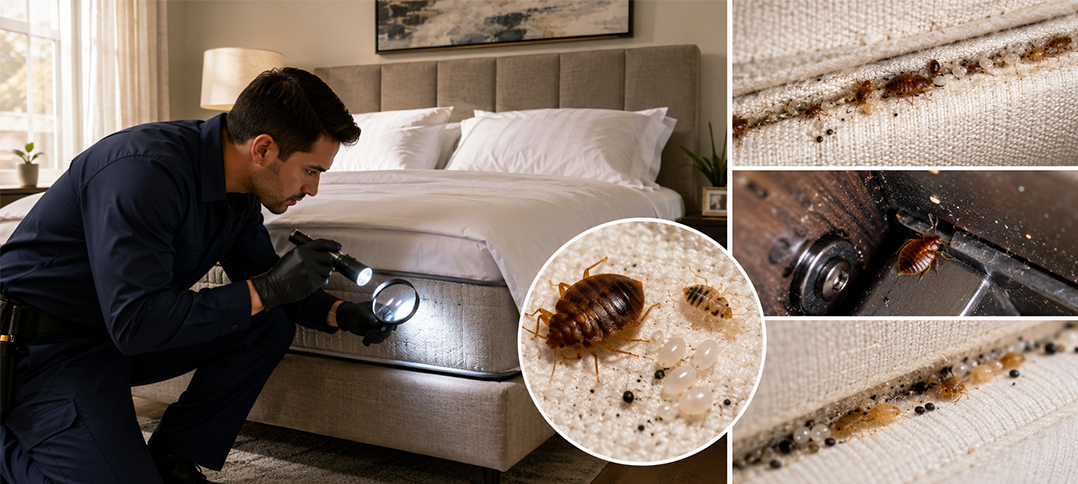
Mattresses, couches, recliners, upholstered chairs, bed frames, and other furniture can contain hidden bed bugs or eggs. The insects may remain concealed in seams, joints, cracks, and underneath fabric where they are difficult to see.
A piece of furniture can look completely clean and still contain bed bugs.
Before bringing secondhand furniture into your home, inspect it carefully for live insects, dark fecal spots, shed skins, eggs, or other signs of activity. If you cannot confidently determine that the item is free of bed bugs, bringing it indoors may not be worth the risk.
How Do Bed Bugs Spread From One Room to Another?
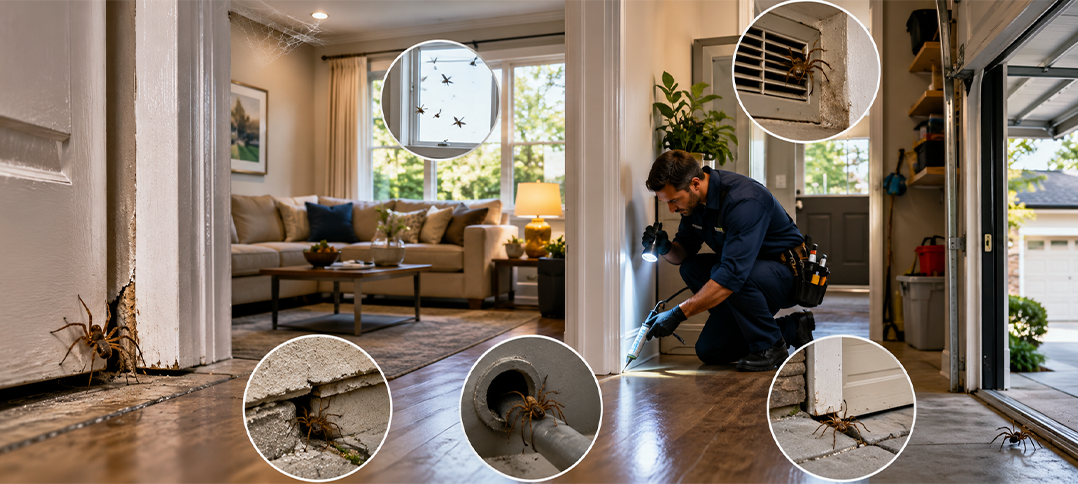
Once bed bugs are inside a home, they can move beyond the room where they were first discovered. They may crawl through cracks, wall voids, gaps around baseboards, electrical openings, and other pathways.
They can also spread when people move infested belongings from one room to another.
For example, someone who notices bites on their bed may move bedding, clothing, or furniture into another room. Instead of containing the problem, this can give bed bugs additional places to hide.
If you're concerned that an infestation has already moved beyond one bedroom, our guide on how bed bugs spread from one room to another explains the common pathways and warning signs to watch for.
Why Bed Bug Transfer Is a Concern in Cleveland
Bed bug transfer is not just a concern for travelers. It can happen anywhere people live, sleep, travel, or move personal belongings.
In 2025, the Cleveland-Akron-Canton metropolitan area ranked No. 3 among the most bed bug-infested metropolitan areas in the United States, according to a Terminix ranking reported by cleveland.com.
That local context makes prevention especially important for Cleveland-area residents. Understanding how bed bugs hitchhike on luggage, clothing, furniture, and other belongings can reduce the chance of accidentally introducing them into your home.
For Cleveland homeowners, recognizing the signs early also matters. G&G Exterminating notes that bed bug activity can appear around mattresses and bed frames, including small dark spots and nighttime bites.
How Can You Prevent Bed Bugs From Being Transferred?
You cannot eliminate every possible exposure, but several habits can reduce the risk of bringing bed bugs home.
When traveling:
- Inspect mattress seams, headboards, and nearby furniture before settling into a hotel room.
- Keep luggage off the bed and floor during your stay.
- Check suitcase seams and pockets before bringing luggage back into your bedroom.
- Wash and dry clothing appropriately after potential exposure.
When buying used items:
- Carefully inspect mattresses, couches, chairs, and upholstered furniture.
- Look closely at seams, cracks, joints, and areas underneath furniture.
- Avoid bringing questionable items into your home.
When visiting other homes:
- Avoid placing bags, coats, and personal belongings on beds or upholstered furniture if there is a known infestation.
- If you believe your belongings may have been exposed, isolate and inspect them before moving them around your home.
Most importantly, do not move potentially infested furniture or belongings from room to room. Doing so can make an existing infestation more difficult to contain.
What Are the First Signs That Bed Bugs Have Been Transferred?
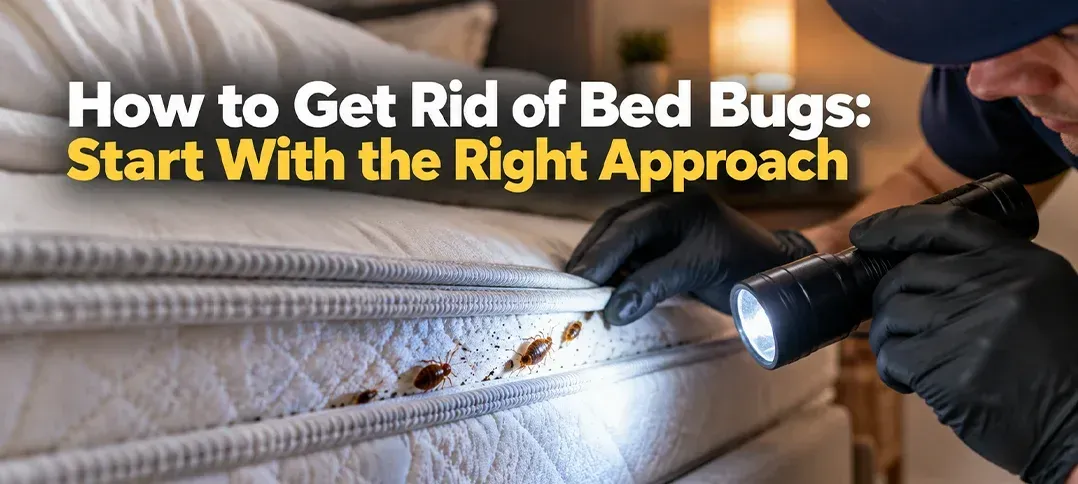
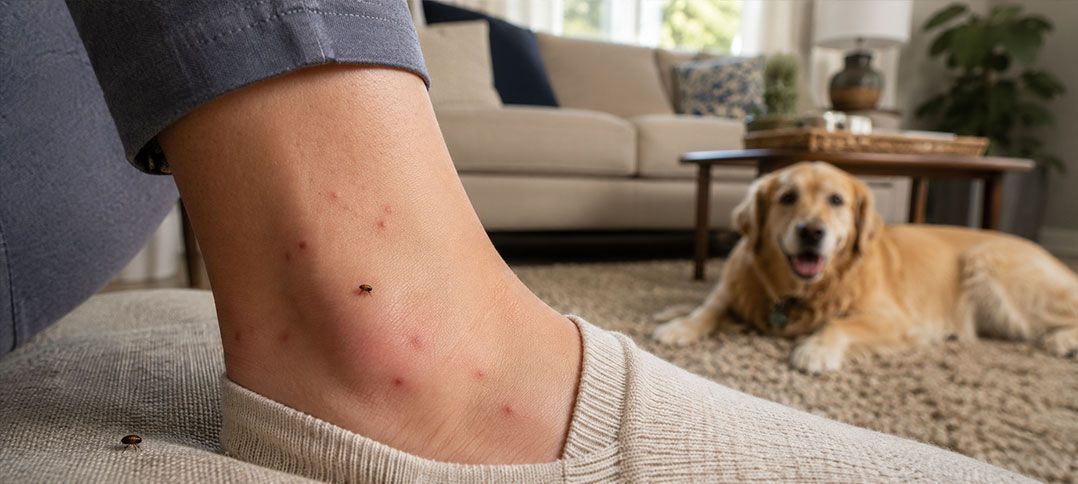
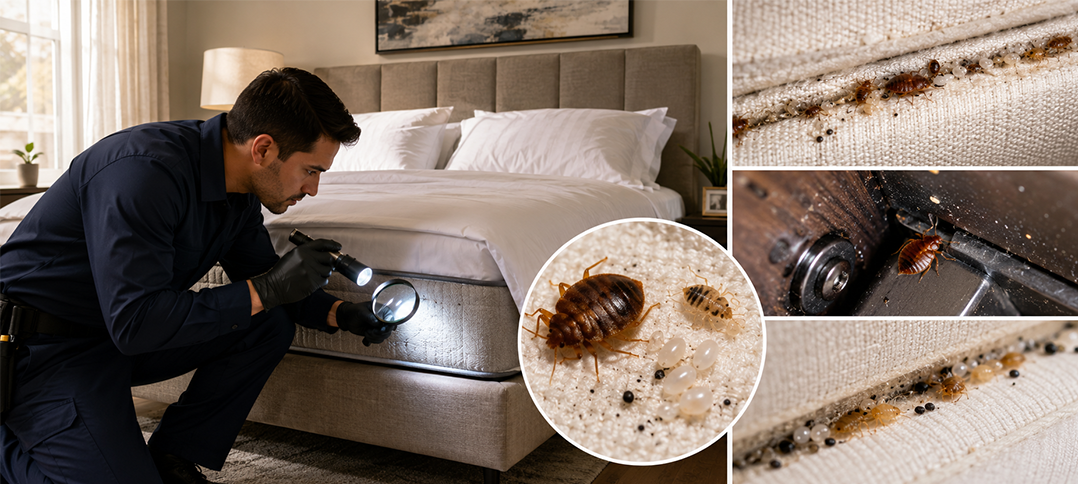
The first signs are not always live bed bugs. You may notice small dark spots around mattress seams or bed frames, reddish stains on bedding, shed skins, eggs, or unexplained bites.
However, bites alone do not confirm a bed bug infestation because several other conditions can cause similar skin reactions.
Look closely around:
- Mattress seams and edges
- Box springs and bed frames
- Headboards
- Nearby furniture
- Baseboards and cracks
- Areas where luggage or clothing has been stored
If you find physical evidence, avoid disturbing the suspected area or moving belongings to another room until you know what you're dealing with.
When Should I Call a Bed Bug Exterminator in Cleveland?
Call a professional when you find live bed bugs, repeated signs of activity, or evidence that the infestation is spreading. Early treatment can help prevent the problem from becoming more difficult to control.
G&G Exterminating providesprofessional bed bug removal in Cleveland, including inspections and treatment for homes across Greater Cleveland. The company states that its technicians inspect affected areas, treat cracks and crevices, and provide follow-up visits when needed.
If you are unsure whether the evidence you've found is actually from bed bugs, professional identification can also prevent you from treating the wrong pest or spreading an infestation through unnecessary DIY treatment.
Frequently Asked Questions
How easy is it to bring bed bugs into your home?
Bed bugs can hitchhike on luggage, clothing, furniture, and personal belongings from an infested location.
Can bed bugs travel on people's clothes?
Yes. Bed bugs can temporarily hide in clothing seams, folds, and pockets, especially when clothes are left near an infested area.
Can bed bugs spread from person to person?
Bed bugs do not normally live on people, but they can be transferred indirectly through clothing, luggage, bags, and other belongings.
Can secondhand furniture bring bed bugs into your home?
Yes. Used mattresses, couches, chairs, and other upholstered furniture can contain hidden bed bugs or eggs.
Can bed bugs fly or jump?
No. Bed bugs cannot fly or jump. They crawl and commonly hitchhike on belongings to reach new locations.
What are the first signs that you have bed bugs?
Look for live bugs, dark spots, blood stains, shed skins, or eggs around mattresses, bed frames, and nearby furniture.
When should I call a bed bug exterminator in Cleveland?
Call a professional when you find live bed bugs, repeated signs of activity, or evidence that the infestation is spreading.
Final Thoughts
Bed bugs don't need wings to travel far. They use us — and the things we carry — as transportation.
A suitcase from a hotel, a jacket left near an infested couch, a used mattress, or a piece of furniture can provide a pathway into a previously unaffected home. Once inside, bed bugs can move through nearby hiding places and potentially spread to other areas.
The good news is that understanding how bed bugs are transferred gives you an advantage. Inspecting luggage, being cautious with secondhand furniture, isolating potentially exposed belongings, and recognizing early signs can all help reduce the risk of an infestation.
If you are already seeing signs of bed bugs, don't wait for the problem to spread before taking action. A professional inspection can help identify the source and determine the appropriate treatment approach for your home.