Why Do Fleas Keep Coming Back After Treatment?
You treated your pet. You cleaned the house. You may have even used flea removal services more than once. Yet somehow, you are still finding fleas.
It is frustrating, but seeing fleas after treatment does not always mean the treatment failed. Fleas have a life cycle that makes them difficult to eliminate with one treatment alone. Eggs, larvae, and pupae can remain in the environment while adult fleas live on animals. New fleas can continue to emerge after the first round of treatment.
At G & G Exterminating, we often remind homeowners that seeing fleas after treatment does not necessarily mean you are back at square one. The key is understanding where the fleas are coming from and addressing the conditions that allow them to keep returning.
The Flea Life Cycle Explains Why It Makes Treatment Difficult
The flea life cycle is the main reason an infestation can continue after treatment. Adult fleas are only one stage of the problem. Fleas develop through four stages: egg, larva, pupa, and adult.
The earlier stages can remain hidden in the environment. Pupae are especially difficult to deal with because their cocoons can protect them from environmental conditions and some flea-control products. Adult fleas may emerge later when they detect signs of a nearby host, such as movement or body heat.
This means you may kill the adult fleas that are active today and still see new fleas appear later. Those new fleas may not be surviving treatment. They may simply be emerging from an earlier stage that was already present in the home.
Eggs and Larvae
Adult fleas lay eggs after feeding on a host. These eggs can fall from pets into the areas where they sleep, rest, and move around. That means flea eggs can end up in carpets, rugs, pet bedding, furniture, and other parts of the home.
Flea larvae develop after the eggs hatch. They do not look like the adult fleas you notice jumping around. Instead, they remain in the environment and develop in protected areas. Dark, sheltered places can provide suitable conditions for flea development.
Pupae and Adult Fleas
The pupal stage is one of the biggest reasons fleas can seem to return out of nowhere. The flea develops inside a cocoon that offers protection from environmental conditions and some insecticides. Pupae can remain inactive until conditions are right for an adult flea to emerge.
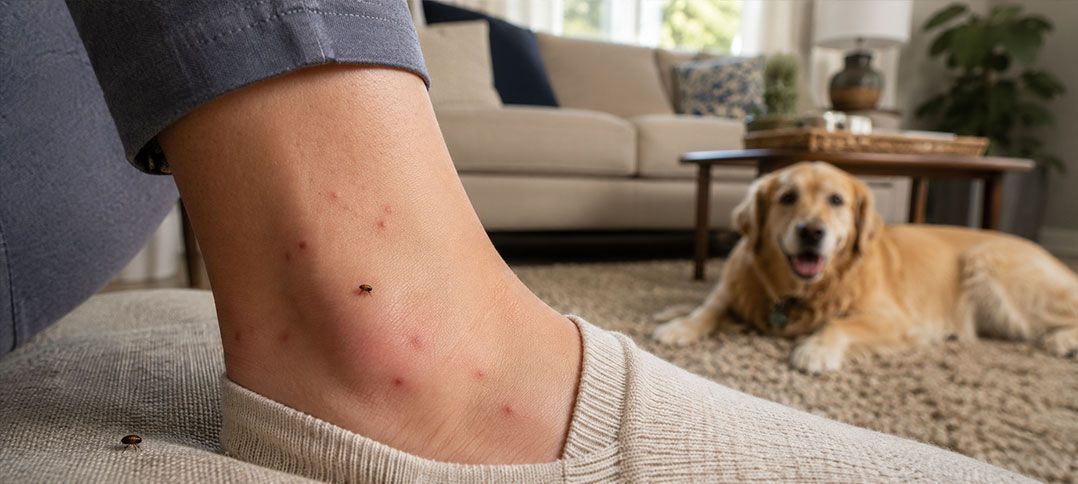
Adult fleas are the stage most people notice. They feed on animals and can also bite people. Once adult fleas emerge and find a suitable host, they can feed and reproduce. This starts the cycle again if the remaining flea population and its environment are not properly addressed.
Where Fleas May Still Be Hiding in Your Home After Treatment
One of the most common mistakes is focusing only on where you can see fleas. Fleas do not spend their entire life on your pet. Eggs, larvae, and pupae can remain in the environment, particularly in areas where pets regularly spend time.
Look at the places your pet uses most often. Flea activity can remain in carpets and rugs, pet bedding and blankets, upholstered furniture, cracks and edges around floors and baseboards, areas under furniture, and other pet resting areas.
This is why treating only the visible adult fleas can leave part of the infestation behind. The fleas you see may be only one part of the problem.
Could Your Pet Be Bringing Fleas Back?
Pets are a common source of flea infestations, but treating one animal may not be enough. If you have multiple dogs or cats, every pet should be considered when dealing with an active flea problem.
An untreated pet can continue to carry adult fleas into areas where they can lay eggs. Those eggs then fall into the environment and develop into new flea stages. This can make it seem as though the original treatment stopped working when the infestation is actually being maintained by another source.
Dogs and cats can also encounter fleas outdoors or around other animals and bring them back inside. Even a small amount of exposure can introduce new adult fleas into the home.
For pet flea products, follow the product label carefully and speak with your veterinarian about what is appropriate for your dog or cat. Different products work in different ways, and a product that is safe for one type of animal may not be suitable for another.
Are You Treating the Home as Well as the Pet?
Treating your pet is an important part of flea control, but it may not be enough if fleas have already spread through the home. Eggs, larvae, and pupae can remain in areas where pets spend time. These hidden stages can continue developing even after the adult fleas on your pet have been treated.
Start by focusing on the areas your pet uses most:
- Carpets and area rugs: Pay attention to places where your pet sleeps, rests, or regularly walks.
- Pet bedding and blankets: Clean washable bedding and other materials your pet uses regularly.
- Furniture: Check couches, cushions, and other upholstered areas where your pet spends time.
- Basement areas: If your pet rests or spends time in the basement, include these areas in your cleaning routine.
- Areas beneath furniture: Do not overlook spaces that are less frequently cleaned or disturbed.
- Baseboards and floor edges: Vacuum along these areas where flea activity may remain.
These steps should be carried out alongside appropriate pet treatment rather than used as a replacement for it.
Why Do Fleas Seem Worse After Treatment?
It can be frustrating to see more fleas after you have already treated your home or pet. However, this does not always mean the treatment has failed.
Fleas can continue to emerge from earlier stages of their life cycle after treatment. Pupae, in particular, can remain protected in their cocoons and emerge later when conditions are right. This can make it seem like the flea problem is getting worse when new adult fleas are simply emerging from the environment.
At G & G Exterminating, we look beyond the visible fleas when assessing an infestation. We consider where flea activity is occurring and what areas may need attention. This helps us determine the right approach instead of focusing only on the fleas that are visible at the time.
Can Fleas Come Back If You Stop Treatment Too Soon?
They most certainly can.
A home may appear flea-free for a while, only for new adults to emerge from protected stages that were already present. If control stops as soon as the visible fleas disappear, those remaining stages may have an opportunity to develop.
This does not mean you should keep applying products on your own beyond their labeled directions. It means flea control needs to follow a consistent plan that addresses both the home and the animals involved.
For pet treatments, always follow the product label and ask your veterinarian about an appropriate prevention plan.
How to Stop Fleas From Coming Back
Getting rid of fleas takes more than removing the adult fleas you happen to see. The goal is to reduce flea activity throughout the home and prevent the life cycle from continuing.
A few steps can help:
- Treat all pets appropriately: Make sure every dog or cat in the household is considered as part of the flea-control plan. Follow product directions and speak with your veterinarian about pet treatments.
- Vacuum regularly: Focus on carpets, rugs, furniture, baseboards, and areas where pets rest.
- Wash bedding: Clean pet bedding, blankets, and other washable materials that pets regularly use.
- Clean less obvious areas: Check beneath furniture, along floor edges, and in rooms that are not used often.
- Follow treatment directions: Use flea products exactly as instructed. Do not apply them more often than the label allows.
- Stay consistent: Fleas can continue emerging after initial treatment, so stopping as soon as you stop seeing them can allow the cycle to continue.
The more completely you address the home and the animals involved, the better your chances of getting the infestation under control and keeping it from returning.
How We Approach Flea Problems at G&G Exterminating?
At G&G Exterminating, we know that a recurring flea problem is not always limited to the fleas you can see.
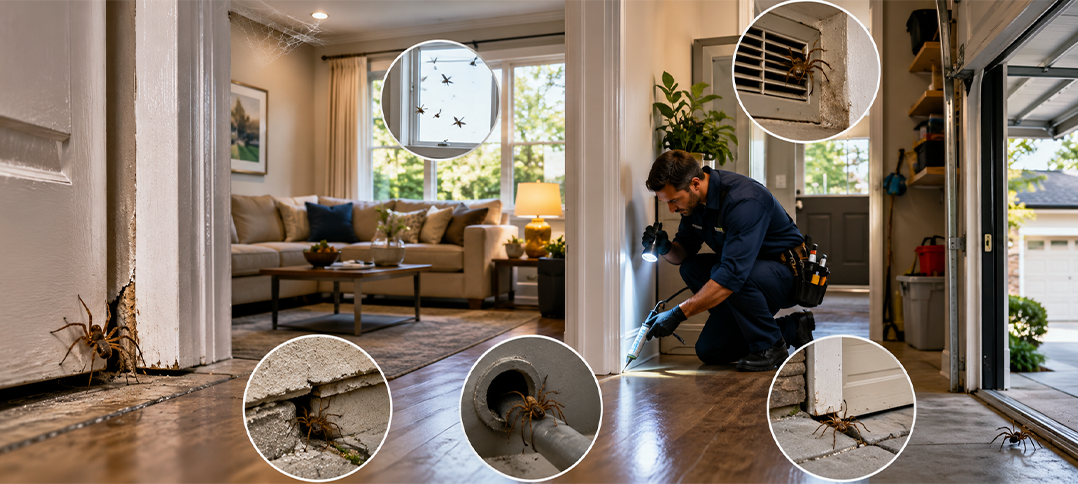
We begin with an inspection to understand the issue and identify areas that may need attention. From there, we create a customized treatment plan based on what we find.
Our flea extermination services are designed for homeowners dealing with active flea problems. We look at the conditions around the infestation rather than focusing only on the visible fleas.
If you are looking for a Cleveland exterminator to help with recurring flea activity, contact G&G Exterminating to discuss the problem.
You can also read our related guide, Flea vs. Tick: Do Fleas Bite Humans, for more information about identifying flea activity and knowing when professional flea treatment may be needed.
Take Action Against Recurring Fleas
Fleas can keep coming back when eggs, larvae, and pupae remain hidden in the home or when pets continue to be exposed. If you have treated your pet and cleaned your home but still find fleas, it may be time to look at the problem more closely.
At G&G Exterminating, we offer free inspections with no obligation. We assess the situation, answer your questions, and provide recommendations based on what we find. With over 35 years of serving Cleveland and surrounding communities, we understand the local pest problems homeowners face.
If fleas keep returning, contact us for a free inspection. Let us help you identify what may be keeping the infestation going and determine the right next step.