Can Bed Bugs Spread From One Apartment to Another?
If you've discovered bed bugs in your apartment, one of the first questions that comes to mind is whether they can spread to neighboring units.
Unfortunately, the answer is yes. Bed bugs are excellent hitchhikers and can easily move from one apartment to another through shared walls, plumbing lines, electrical outlets, and even personal belongings. In apartment buildings, a single untreated infestation can quickly become a problem for multiple residents.
The good news is that early action can significantly reduce the risk of bed bugs spreading throughout a building. Understanding how they travel, recognizing the warning signs, and scheduling a professional bed bug inspection can help stop the infestation before it grows.
Yes, Bedbugs Can Easily Move Between Apartments
Unlike fleas or flies, bed bugs don't jump or fly. Instead, they crawl through surprisingly small openings in search of food and new hiding places. Apartment buildings create the perfect environment because units share walls, ceilings, floors, and utility systems.
Bed bugs often move when:
- Their population grows beyond available hiding spaces.
- A neighboring apartment is treated improperly, causing surviving bugs to scatter.
- Residents unknowingly carry them on clothing, luggage, backpacks, or furniture.
- Vacant units nearby provide new places to hide before moving into occupied apartments.
Because of these factors, successful bed bug control often requires looking beyond a single apartment and evaluating surrounding units as well.
How Do Bed Bugs Spread From One Apartment to Another?
Bed bugs are incredibly skilled at finding hidden pathways throughout a building. Knowing where they travel can help residents understand why infestations sometimes affect multiple apartments.
- Wall Voids and Shared Structures: Bed bugs crawl through tiny cracks behind drywall, baseboards, and shared walls. Once inside these hidden spaces, they can move between neighboring apartments without ever being seen.
- Electrical Outlets and Plumbing Lines: Gaps around electrical outlets, cable openings, plumbing pipes, and utility lines create convenient travel routes that connect multiple units.
- Shared Laundry Rooms: Infested clothing, bedding, laundry bags, and backpacks can carry bed bugs into shared laundry facilities and back into other apartments if precautions aren't taken.
- Furniture and Personal Belongings: Used mattresses, upholstered furniture, moving boxes, luggage, and personal items can introduce bed bugs into a previously unaffected apartment. Since they hide in small seams and crevices, they're often transported without anyone noticing.
These hidden travel routes are one reason apartment infestations can spread much faster than infestations in single-family homes.
Why Treating Just One Apartment Often Isn't Enough
Many residents assume that treating the affected apartment solves the problem. Unfortunately, that's not always the case.
If bed bugs have already migrated into neighboring units, treating only one apartment may leave part of the infestation behind. Over time, surviving bugs can return through the same structural pathways they used before.
This is why professional bed bug pest control companies often recommend inspecting nearby apartments, especially those directly above, below, and beside the affected unit. A coordinated treatment plan helps eliminate hidden populations before they continue spreading throughout the building.
Attempting to solve the problem with over-the-counter sprays or bug bombs can also make matters worse. Instead of eliminating the infestation, these products may drive bed bugs deeper into walls or into neighboring apartments, making professional bed bug control more difficult later.
How Can You Reduce the Risk of Bed Bugs Spreading?
While professional treatment is essential for active infestations, there are several practical steps apartment residents can take to help slow the spread.
- Seal Cracks and Entry Points: Inspect gaps around baseboards, plumbing pipes, electrical outlets, window frames, and utility openings. Sealing these areas can reduce the number of pathways bed bugs use to move between apartments.
- Avoid Moving Infested Furniture: Never move mattresses, couches, or upholstered furniture into hallways or another apartment before treatment. Bed bugs frequently hitchhike on these items.
- Wash and Dry Bedding on High Heat: Bedding, clothing, and washable fabrics should be laundered using the hottest water and dryer settings recommended for the material. High heat helps kill bed bugs and their eggs.
- Reduce Clutter Around Sleeping Areas: Cardboard boxes, clothing piles, and stored belongings create countless hiding places. Keeping rooms organized makes inspections and treatments much more effective.
- Notify Property Management Immediately: Waiting several weeks before reporting the problem gives bed bugs more time to spread. Early communication allows building management to coordinate inspections and treatment if neighboring apartments may also be affected.
When Should You Schedule a Professional Bed Bug Inspection?
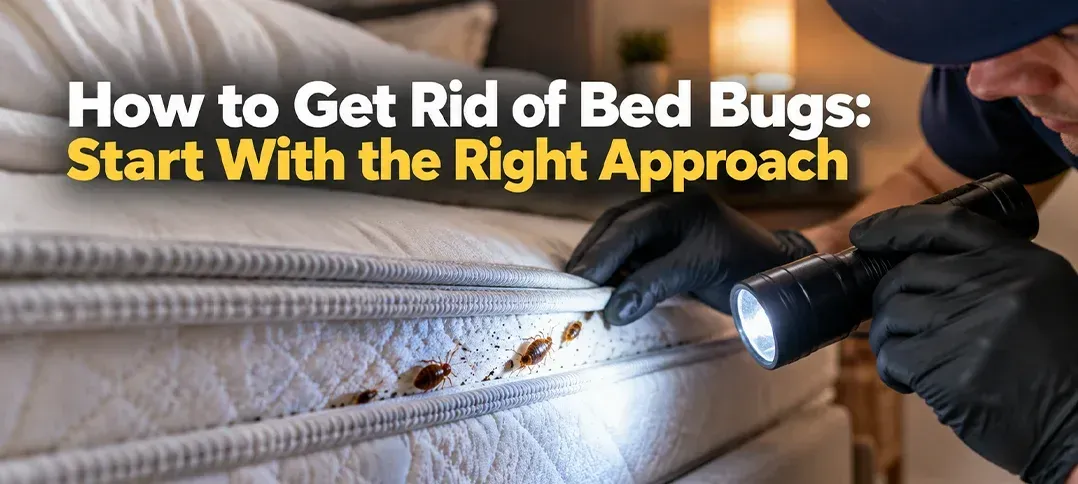
If you notice unexplained bites, blood spots on bedding, dark stains near mattress seams, or live bed bugs, it's time to arrange a professional bed bug inspection.
An experienced technician can:
- Confirm whether bed bugs are actually present.
- Identify where they're hiding.
- Determine how extensive the infestation has become.
- Recommend whether neighboring apartments should also be inspected.
- Develop a treatment plan based on the severity of the infestation.
Early inspections often prevent a localized problem from becoming a building-wide infestation.
Final Thoughts
Yes, bed bugs can spread from one apartment to another, often without residents realizing it's happening. Shared walls, utility lines, common areas, and personal belongings all provide opportunities for these pests to move throughout a building.
The sooner the problem is identified, the easier it is to contain. Professional bug extermination services, combined with prompt reporting, thorough inspections, and coordinated treatment, offer the best chance of eliminating bed bugs before they spread to additional apartments. If you suspect bed bugs in your building, acting quickly can protect both your home and your neighbors.