How to Get Rid of Bed Bugs: Start With the Right Approach
Getting rid of bed bugs can take more than one treatment. DIY methods can help with some parts of an infestation, while professional treatment may be needed when bed bugs keep spreading or hiding in hard-to-reach areas. Before choosing an approach, make sure you're dealing with bed bugs and check how far the infestation has spread.
A useful first step is to confirm you're dealing with bed bugs and look for physical signs before starting treatment.
Are You Sure It's Bed Bugs?
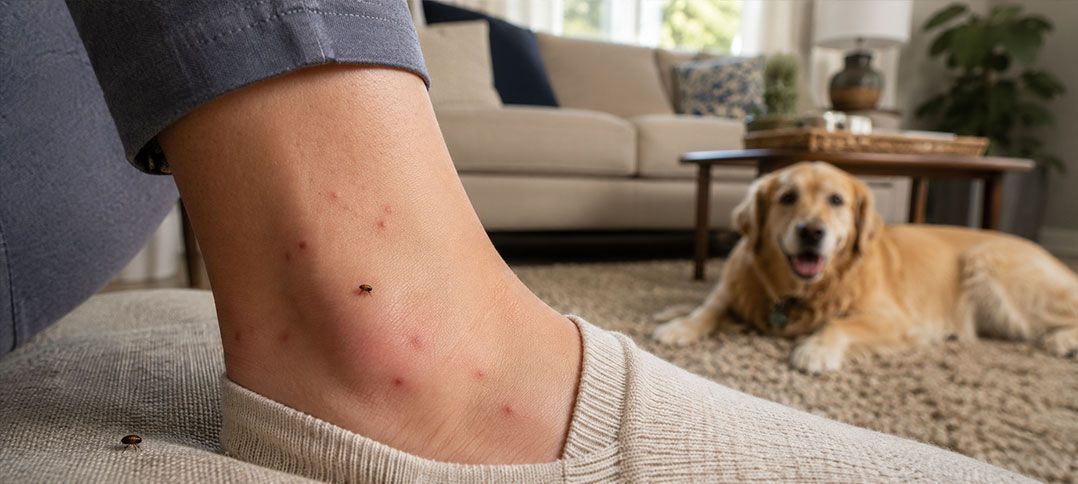
Bites alone don't confirm bed bugs. They can look like other insect bites, rashes or hives, and some people do not react to bed bug bites at all (EPA).
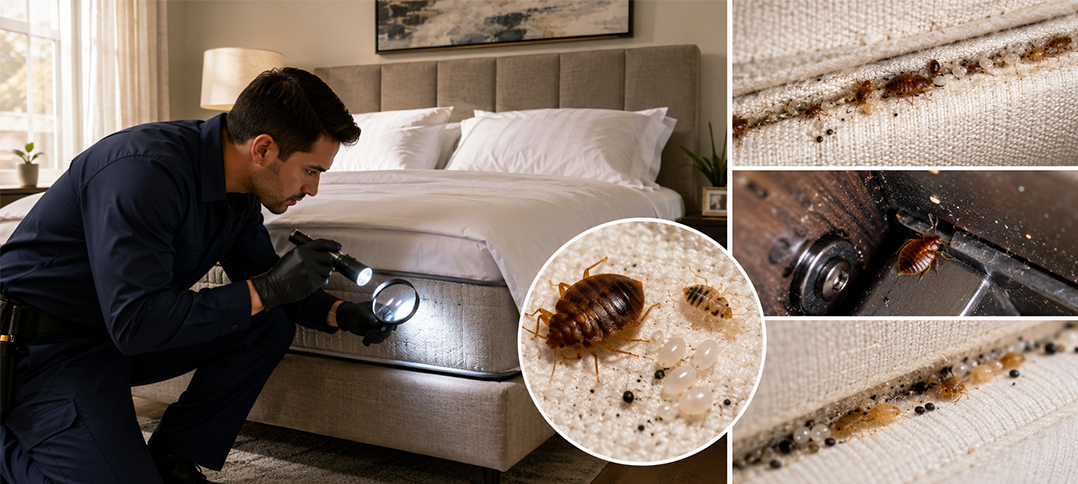
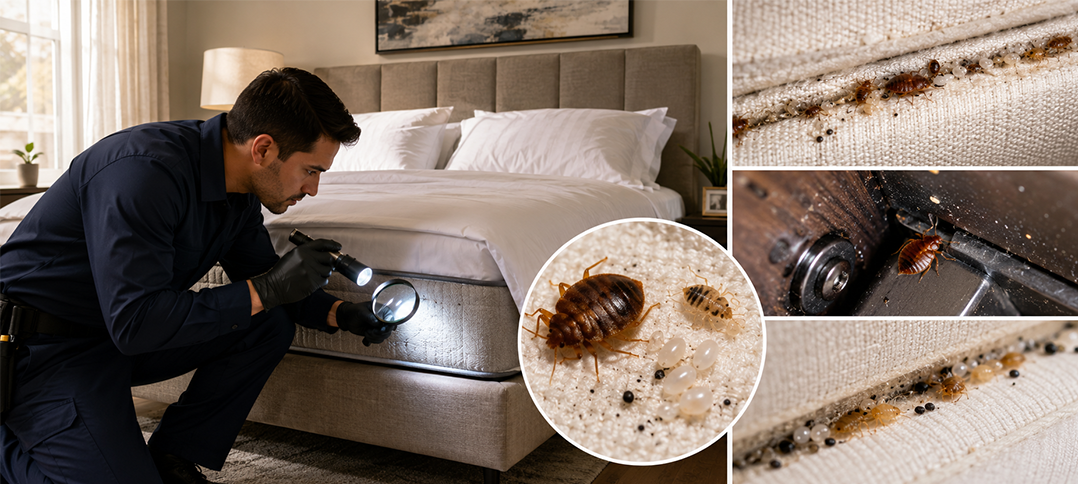
A better way to check is to look for signs around your bed and furniture. These can include rusty or reddish stains, dark spots from droppings, shed skins, eggs, eggshells and live bugs (EPA). Carpet beetles can also be mistaken for bed bugs, so it's important to identify the pest before starting treatment.
Why DIY Treatments Usually Fall Short
Some DIY approaches have limitations that can make bed bug control more difficult.
- Sprays may not reach the cracks and crevices where bed bugs hide (DIY bed bug control).
- Foggers, sometimes called bug bombs, shouldn't be the only treatment used, and improper use can cause fire or explosion (fogger safety guidance).
- Flammable substances such as rubbing alcohol, kerosene and gasoline can create serious fire and health risks when used against bed bugs (bed bug treatment safety guidance).
- Repeated pesticide exposure can contribute to treatment failure when bed bugs with lower susceptibility survive and reproduce. Resistance is one possible cause of treatment failure, although it is not the only one.
DIY measures may not be enough for every infestation, especially when bed bugs are hiding in areas that are difficult to reach.
What Happens During Bed Bug Treatment?
Professional bed bug treatment starts with a careful inspection and continues through treatment and prevention. At G & G Exterminating, our process includes:
1. Detailed Inspection: The process starts with a careful inspection of bedrooms, furniture, baseboards, and other hidden areas. The goal is to find signs of bed bug activity and identify where they may be hiding.
2. Targeted Treatment: The treatment approach is chosen based on the size and spread of the infestation. Different areas may require different treatment methods.
3. Treating Risk Areas: Extra attention is given to common hiding spots, including mattresses, furniture, wall voids, and nearby areas where bed bugs may be present.
4. Prevention Guidance: After treatment, helpful recommendations are provided to reduce the risk of another bed bug infestation.
Follow-up may be necessary because the EPA recommends preparing for multiple visits, noting that very few bed bug infestations are controlled with only one treatment. The EPA also recommends that pest management professionals inspect the residence and use an integrated approach to treatment.
Can You Get Rid of Bed Bugs Yourself?
You can try some bed bug control steps yourself if you've confirmed the infestation. The EPA's DIY guidance includes cleaning, treating infested areas and monitoring for signs of bed bugs afterward. The key is to keep checking rather than assuming the problem is gone after one treatment.
Bed bugs can hide in places that are easy to miss, including cracks, crevices, furniture and areas around the bed. Some treatments may kill the bugs you can reach without affecting others that are hiding elsewhere. That's one reason the EPA recommends an integrated approach instead of relying on a single treatment method.
If you're still finding live bed bugs, fresh signs or new bites after your initial efforts, it's worth having the infestation assessed. The EPA recommends contacting a pest management professional as soon as possible because trying to handle an infestation yourself can allow it to spread to other areas of your home.
If you decide to use a pesticide, read the label before applying it and use only products that are registered for bed bug control and approved for the location where you plan to use them. Never use more pesticide than the label allows, and avoid using products in ways the label does not permit.
Do Bed Bugs Spread Disease?
Bed bugs aren't known to spread disease to people. Their bites can cause itching, skin irritation and allergic reactions, which in rare cases can include anaphylaxis. Some people may not react to bites at all, so bites alone aren't a reliable way to confirm an infestation. If you have a severe reaction, seek medical advice.
How Long Does It Take to Get Rid of Bed Bugs?
Treatment time can vary depending on the size of the infestation, where bed bugs are hiding and the treatment methods used. Very few bed bug infestations are controlled with only one treatment, so follow-up inspections or treatments may be needed to deal with bed bugs that hatch or remain hidden after the first visit.
Still Finding Bed Bugs? Get Help With the Infestation
If bed bugs keep showing up after you've tried treating them yourself, finding the source of the infestation is the next step. At G & G Exterminating, we inspect the areas where bed bugs may be hiding and treat the infestation based on what we find. If additional treatment is needed, we can return and continue working on the problem.
We’ve been serving Cleveland and nearby communities for over 35 years, including Shaker Heights, Cleveland Heights, University Heights and Beachwood. If you're dealing with ongoing bed bug activity, you can schedule a free inspection or call (216) 798-9593. We offer free quotes, and our phone line is open 24 hours with same-day service available.