How Poisonous Is a Black Widow? What Every Homeowner Should Know
The glossy black body and red hourglass of a black widow are instantly recognizable, and spotting one in the garage makes most people step back. So, how poisonous is a black widow, really? Its venom is potent and a bite can be very painful, but deaths are very rare, and most people recover fully with proper care.
Below, we'll cover how the venom works, how to identify the spider, and what to do after a suspected bite.
How Deadly Are Black Widow Spiders?
Technically, black widows are venomous, not poisonous. Poisonous organisms cause harm when eaten or touched, while venomous animals inject toxins through a bite or sting.
Black widow spider venom contains a neurotoxin that disrupts the signals nerve endings send to muscles. That's why the main symptoms are pain, cramping, and muscle spasms. Only the female is a real concern. Males are much smaller, and their fangs generally can't break human skin.
Serious outcomes are uncommon. According to Poison Control, a review of more than 15,000 black widow exposures reported to U.S. poison centers found no deaths. About 10% of cases led to a hospital stay, and roughly half were managed at home.
Reactions vary with the amount of venom injected and the person's age and health. Cleveland Clinic notes that children under 16 and adults over 60 are more likely to need hospital care for breathing problems, high blood pressure, heart complications, or severe muscle pain.
What Does a Black Widow Spider Look Like?
Black widow spider identification comes down to a few features of the adult female:
- Body: Shiny jet black with a large, rounded abdomen, about half an inch long, not counting the legs.
- Marking: A red or reddish-orange hourglass on the underside of the abdomen. It can sometimes appear orange, tan, or white.
- Species differences: Ohio is home to the northern black widow, whose hourglass is often split into two separate marks, with red spots along the top of the abdomen.
- Males and young spiders: Smaller, often with white or red markings, so they don't always match the classic image.
- Web: Irregular and tangled rather than neat and wheel-shaped.
Black widows are shy and mostly nocturnal. They favor dark, undisturbed spots like woodpiles, sheds, garage corners, outdoor furniture, stored gloves or boots, and cluttered basements.
If you spot one, observe it from a safe distance. Never touch it or reach into its web.
What Happens After the Bite of a Black Widow Spider?
The bite of a black widow spider often feels like a sharp pinprick, though some people barely notice it at first. You may see two tiny fang marks with mild redness, swelling, or sweating.
Black widow bite symptoms can develop quickly. Muscle cramps may begin within 15 to 60 minutes, starting near the bite and spreading to the back, chest, or abdomen, often in waves. Other possible symptoms include nausea, vomiting, heavy sweating, headache, droopy eyelids, increased saliva, elevated blood pressure, and trouble breathing.
Most people improve within 24 to 48 hours, although some symptoms can linger for several days.
A red bump alone doesn't confirm a black widow bite, and doctors can't identify a spider from its mark. If the spider was already killed or safely trapped in a sealed container, bring it along, but don't risk another bite to catch it.
Black Widow Bite Cure: What Should You Do?
No home remedy neutralizes black widow venom, but good first aid can ease discomfort while you get expert advice:
- Move away from the spider and stay as calm as possible.
- Gently wash the area with soap and water.
- Apply a cold pack wrapped in a thin cloth to ease pain and swelling, and elevate the area if you can.
- Call Poison Control at 1-800-222-1222. The service is free, confidential, and available 24/7.
- Check your tetanus status. If your last booster was more than five years ago, contact a doctor.
Don't cut the wound, try to suck out venom, apply a tourniquet, or use unverified home remedies.
Call 911 immediately for trouble breathing, collapse, or other signs of a medical emergency. Head to an emergency department if pain or muscle spasms aren't controlled by over-the-counter pain relievers, or if the person bitten is a young child or an older adult.
Black widow bite treatment in the hospital is usually supportive, including stronger pain medication and drugs that relax muscles and ease spasms. An antivenom exists, but it's made from horse serum and can trigger serious allergic reactions, and not every hospital stocks it. It's generally reserved for severe cases that don't respond to other treatments.
How Can You Reduce the Risk of Black Widow Spider Bites?
Most bites happen when someone accidentally presses a spider against their skin. A few habits help:
- Wear gloves when moving stored boxes, firewood, rocks, or flowerpots.
- Shake out shoes, boots, and gloves kept in garages, sheds, or basements.
- Avoid reaching into dark spaces you can't see.
- Reduce clutter in basements, attics, and garages.
- Store firewood at least 20 feet from your home on a raised rack.
When Should You Call a Professional Exterminator?
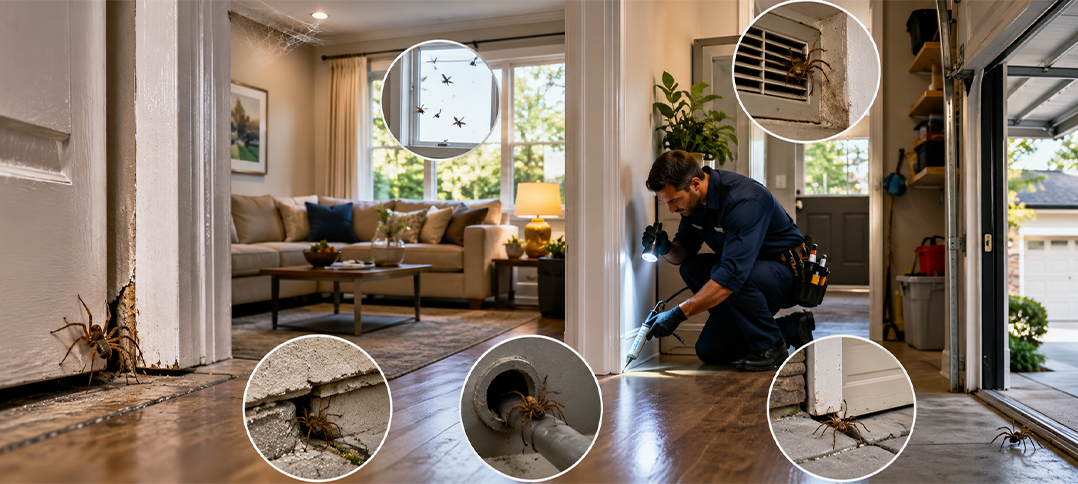
One spider isn't always cause for alarm, but repeated sightings, egg sacs, or webs in busy areas like the garage, patio, or a child's play space can point to an established population. Poison Control itself recommends contacting a pest control service if you find black widows around your home.
G&G Exterminating Cleveland can help identify the spider, locate hiding spots, and recommend a treatment and prevention plan for your property.
Conclusion
Black widow spiders deserve respect, not panic. Their venom can cause intense pain and cramps, but fatalities are very rare. Learn to recognize the glossy black body and hourglass, avoid reaching into undisturbed spaces, and call Poison Control promptly after a suspected bite.
If black widows keep showing up in or around your home, a professional inspection can help you reduce the risk.